Hidden REF Competition 2026 – Announcement
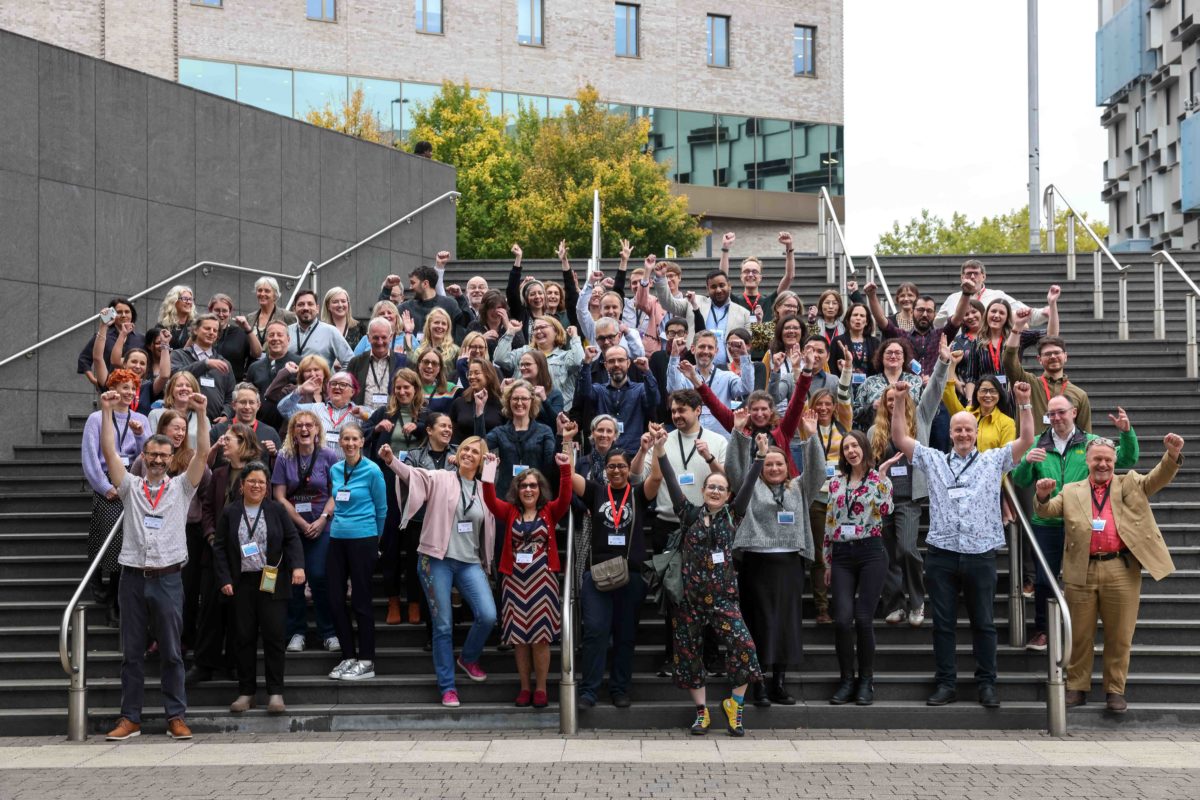
March 5, 2026This week we held our second Hidden REF community call, bringing together colleagues from across the research ecosystem to continue the conversation about recognition, research culture, and what needs to change.
As with our first call, the discussion included a wide range of perspectives, including research-enabling professional services staff, technical specialists, research culture and evaluation leads, academics, and others working across and alongside the sector.
As part of a new community share slot, we also heard from Katy Butcher, on behalf of her team at the University of Bath, who shared authorship and acknowledgement guidance developed at Bath. The guidance offers a practical example of how institutions can take steps to recognise contributions more clearly and consistently, and sparked useful discussion across the group.
Across discussions, a clear set of tensions and opportunities emerged around not-traditionally-submitted outputs (NTOs) and their place in research systems.
Participants spoke about ongoing challenges around recognition, with NTOs often feeling risky due to limited guidance, inconsistent institutional approaches, and uncertainty around how they are assessed. Despite ambitions at sector level, traditional outputs are still widely seen as the safer option, particularly in the context of financial pressures and constrained promotion pathways.
At the same time, there was reflection on a more positive aspect of NTOs: for some, their value lies in the freedom they offer. Without the pressure of being “REFable”, they can create space for creativity, experimentation, and the joy of discovery. However, this sits in tension with the need for visibility, reward, and career progression.
Questions around evidence and assessment came through strongly. Participants highlighted uncertainty about what “good” looks like for NTOs, how to evidence quality and impact, and how assessors can fairly evaluate outputs they may not directly experience. The role, and limitations, of short contextual statements were a recurring theme.
More broadly, discussions reinforced the importance of culture and incentives. Many pointed to a gap between REF ambitions and how these are interpreted in practice within institutions, often in ways that favour more traditional outputs. There was a strong sense that building confidence, reducing perceived risk, and involving decision-makers will be key to making progress.
Alongside these challenges, there were also examples of emerging practice, including authorship guidance, internal processes for reviewing diverse outputs, and targeted funding calls, showing that practical steps are already being taken in some areas.
Overall, there was cautious optimism. While structural barriers remain, there is clear appetite for shared learning, collaboration, and practical action. Hidden REF continues to be seen as a space not just for discussion, but for connecting people, surfacing evidence, and supporting change across the sector.
What’s next
Much of what came up in the discussion continues to shape and inform Hidden REF’s work. Our ongoing activities, including the Hidden REF competition, expert groups, and community-led discussions, are designed to share practice, build confidence, and support more inclusive approaches to research recognition.
We’re using insights from this call, alongside participant feedback, to shape future topics and formats, with a continued focus on practical tools, shared learning, and collective advocacy.
Our next community call will take place on 19th May, and we look forward to continuing the conversation.